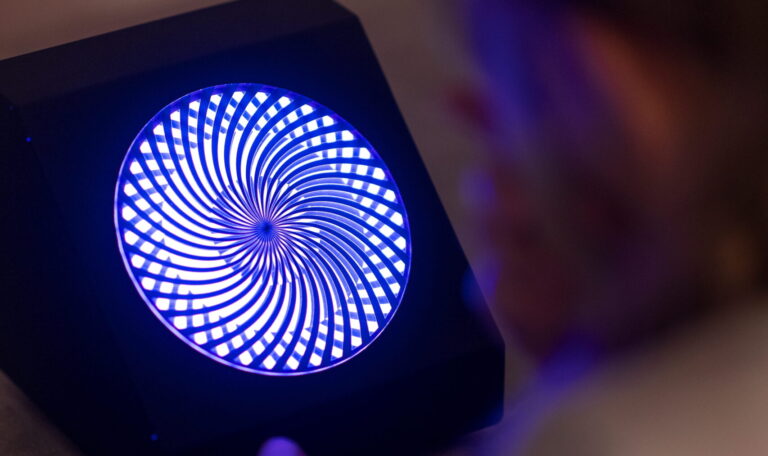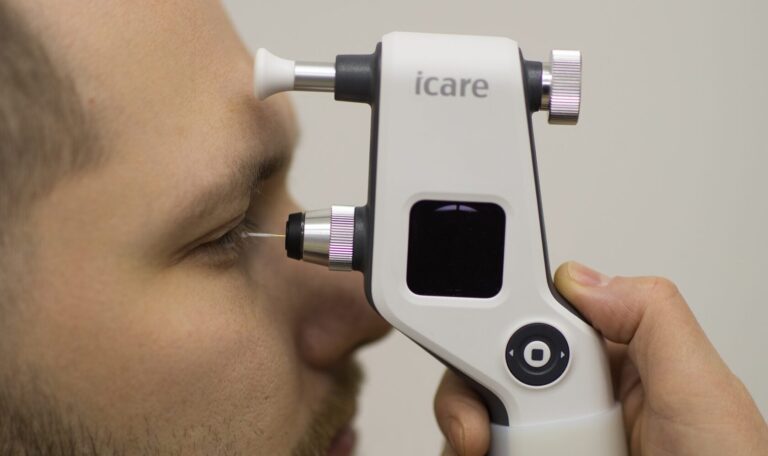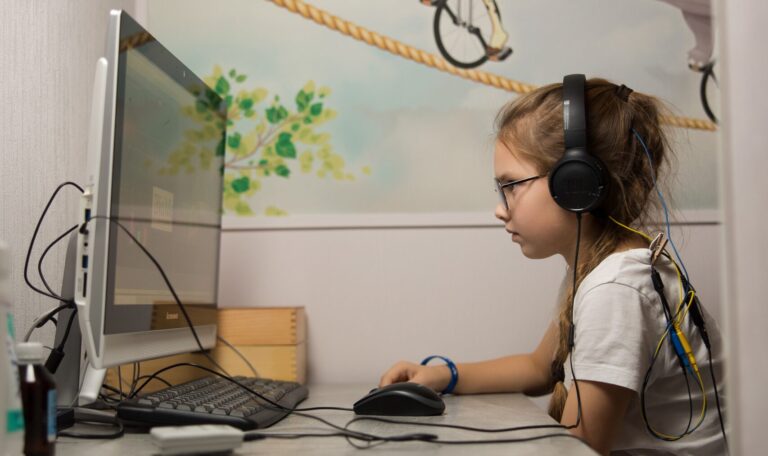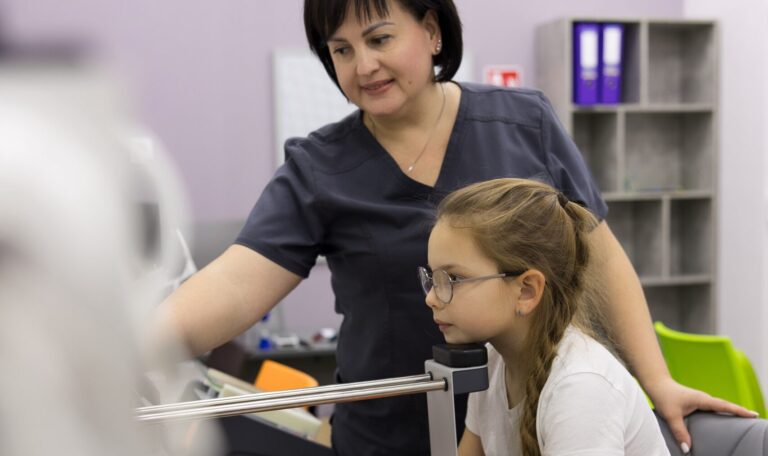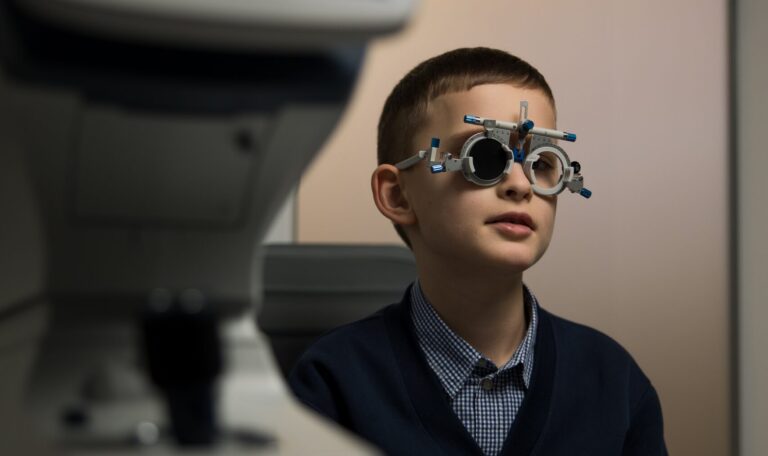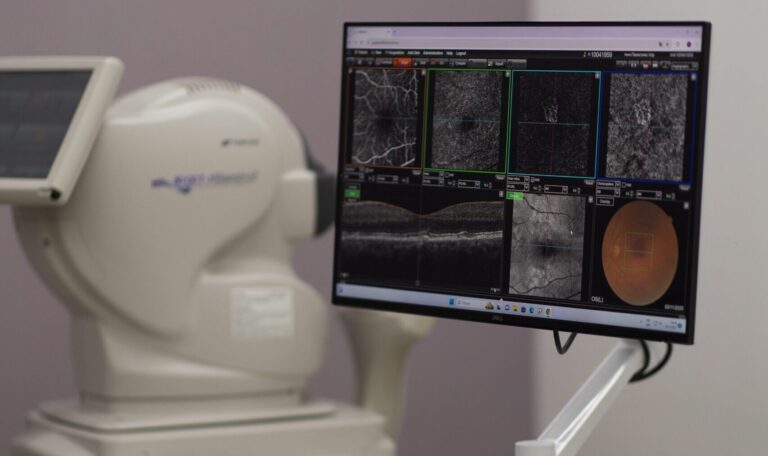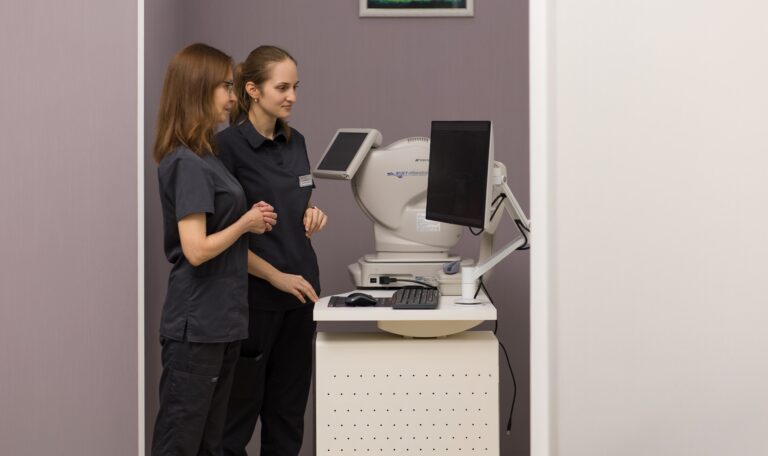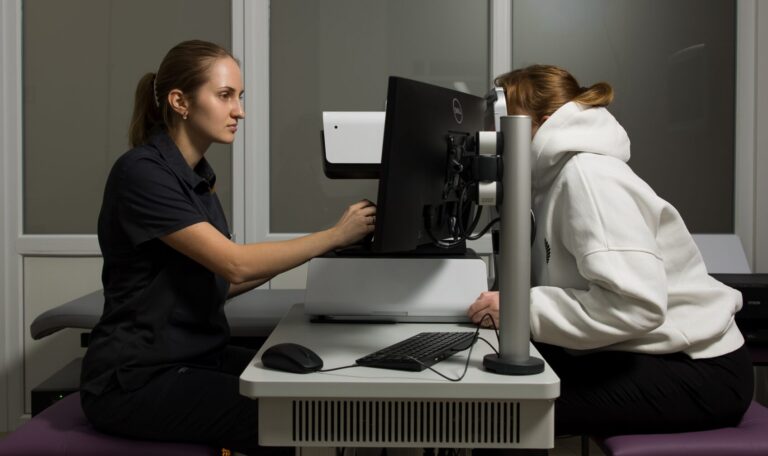

When a patient comes in for surgery, they want to be confident that their health is in safe hands. That is why we use high-tech surgical equipment that functions as a single integrated system — from the diagnostic office to the operating room.
Ophthalmic equipment is an integral part of diagnostics and treatment. Its quality determines the possibility of: quickly and efficiently undergo an examination; track the course of the disease in dynamics; adjust the appointment and observation plan; get more accurate predictions of the quality of your vision after surgery. The Prostir Zoru clinic is equipped with..
Choosing an ophthalmology clinic in a big city can be a difficult task. But it affects diagnosis, treatment and your comfort during the examination. Here are some important criteria that will help you make an informed choice and avoid mistakes. First of all, the qualifications and specialization of doctors: It is necessary to make sure..
Eye diseases, like many others, have an unpleasant ability to go unnoticed. In the dynamics of modern life, we do not always pay attention to the first symptoms that can be confused with ordinary fatigue. However, some of them can be an early signal of a more complex pathology. Many eye diseases are easier to..
A preventive eye examination is recommended at least once a year. Even without obvious complaints, it makes it possible to detect the disease in the early stages and prevent complications. To make your visit informative and comfortable, we offer a clear plan of how to prepare and what happens during the reception. Before the visit:..
How often you should see an ophthalmologist depends on your age, vision, and any eye diseases you may have. Here are the recommended dates for preventive checkups: Children: At 6 months – the first visit to the ophthalmologist. At 3 years old – second check-up before kindergarten. At 6–7 years old – before school. Then..
Orthokeratology lenses, also known as rigid night lenses, are specially designed to gently reshape the cornea in order to improve visual acuity.
When you visit your ophthalmologist, you should prepare a list of questions about your eye health, your vision, the corrective lenses you use (glasses, lenses), and possible causes of your vision loss and ways to maintain it. It is also important to bring your glasses or contact lenses, if you use them, and information about..