

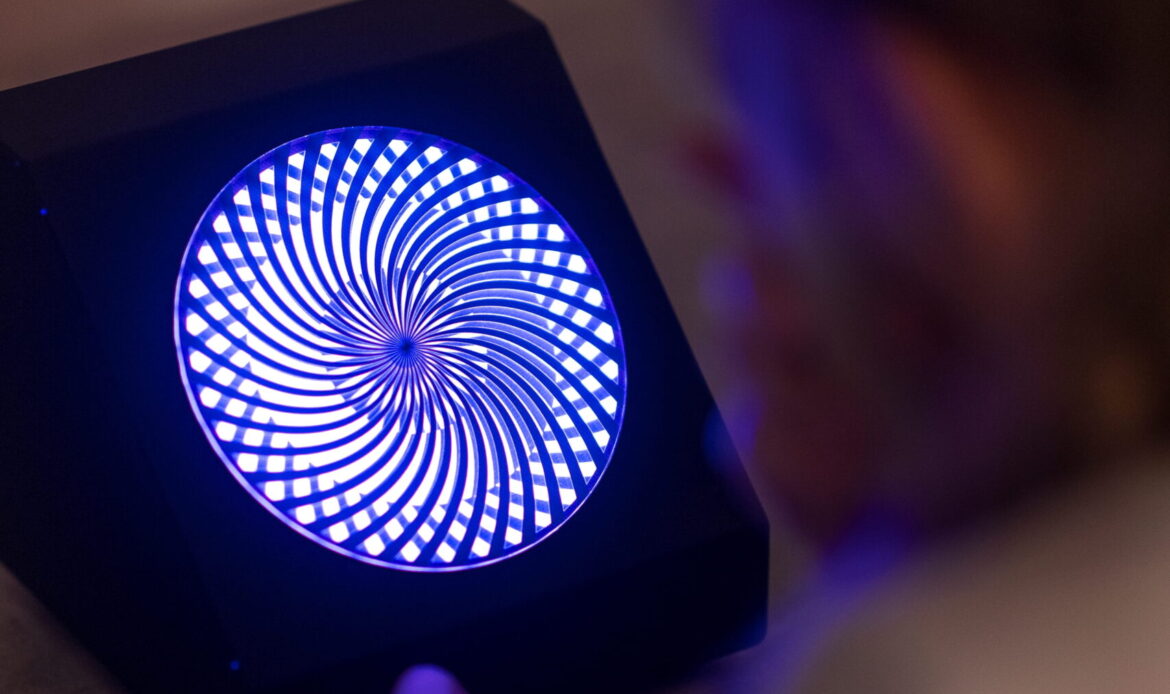
Hardware-based vision therapy is a set of procedures aimed at restoring and/or maintaining vision through eye muscle training. It is used in pediatric ophthalmology, in postoperative recovery to help patients adapt more quickly to improved vision, and is also essential before and after strabismus surgery.
For which diagnoses is hardware-based vision therapy recommended?
- amblyopia (“lazy eye”);
- accommodative spasm;
- myopia (nearsightedness);
- hypermetropia (farsightedness);
- anisometropia (a significant difference in refractive power between the eyes);
- astigmatism;
- strabismus;
- asthenopia (eye strain).
How is the treatment carried out?
For each patient, an experienced specialist develops an individualized program based on the diagnosis, age, and needs.
Sessions last about 1 hour.
The standard course is 10 days.
It is recommended to undergo this therapy at least 2–3 times a year.
The best results are achieved by repeating the course every 3 months, which ensures a cumulative effect and helps maintain the improvements.
Our devices:
| Name | Purpose | Benefit |
|---|---|---|
Cheiroscope CH-1 (MDT, Poland)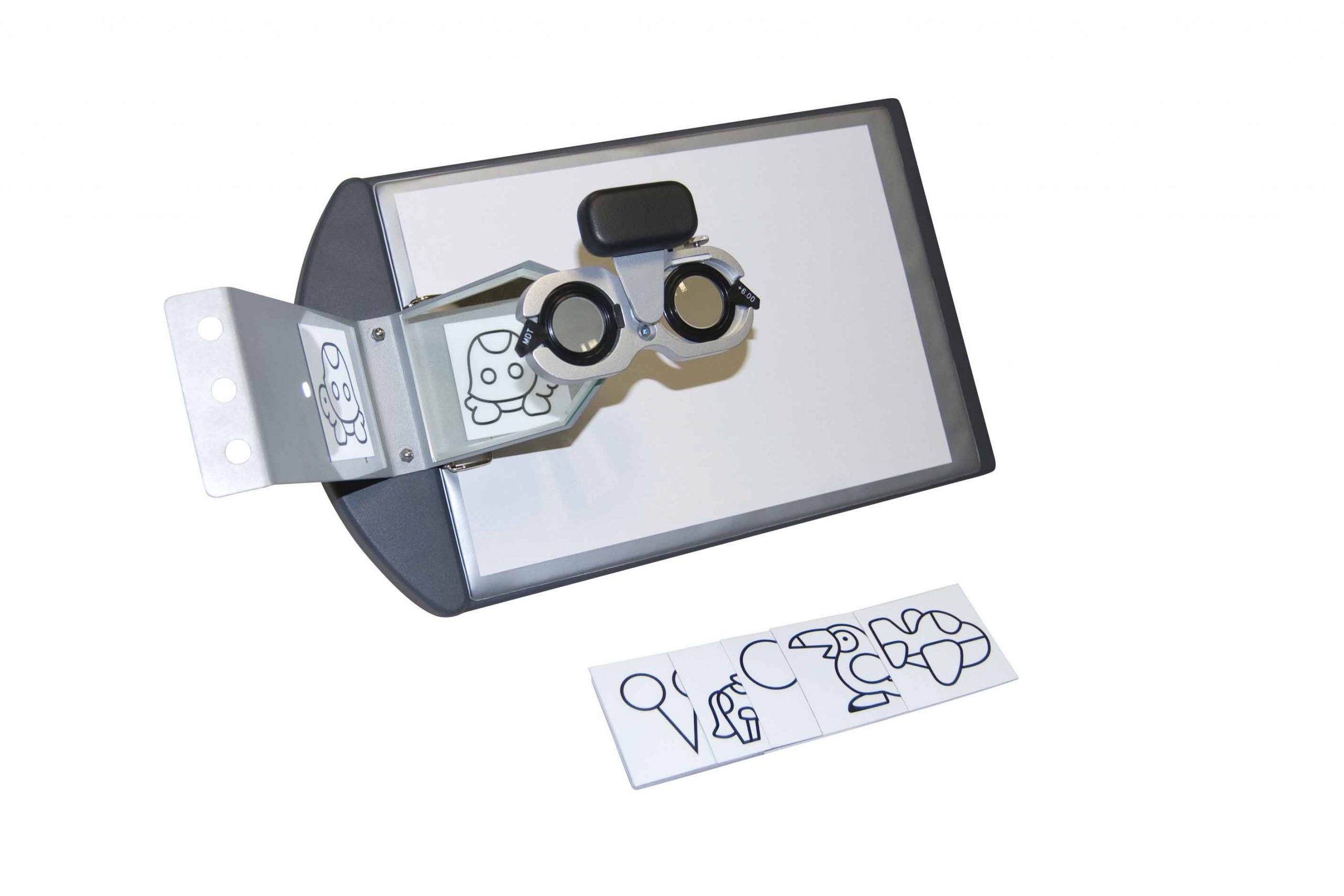 |
֎ treatment of certain types of strabismus; ֎ improvement of binocular vision function; ֎ amblyopia treatment |
֎ improves binocular vision; ֎ develops proper coordination between eyes and brain |
Acoustic Locator LA-1 (MDT, Poland)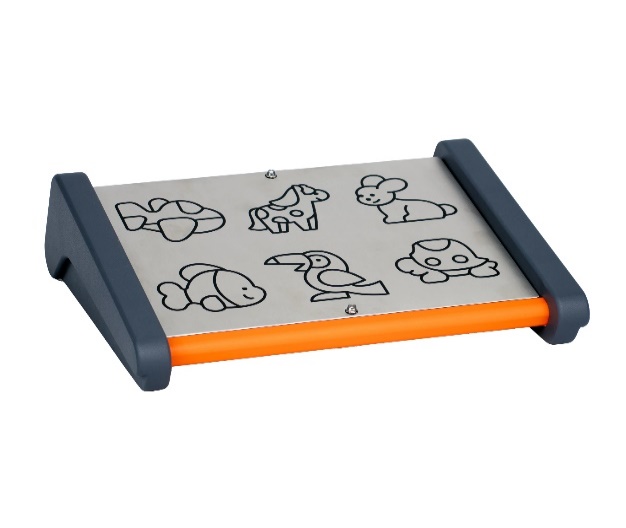 |
֎ spatial orientation disorders; ֎ early forms of strabismus; ֎ problems with eye movement coordination |
֎ improves visual acuity; ֎ promotes visual-motor coordination development; ֎ helps with unstable focusing |
Maculostimulator MKS-C (Ukraine)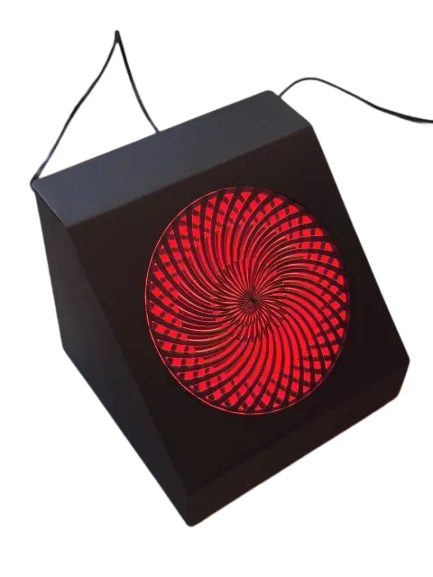 |
֎ treatment: amblyopia, asthenopia, accommodation spasm; ֎ central fixation disorders |
֎ improves visual acuity; ֎ relieves eye fatigue; ֎ strengthens retina function |
Biofeedback Complex (ThoughtTech, Canada)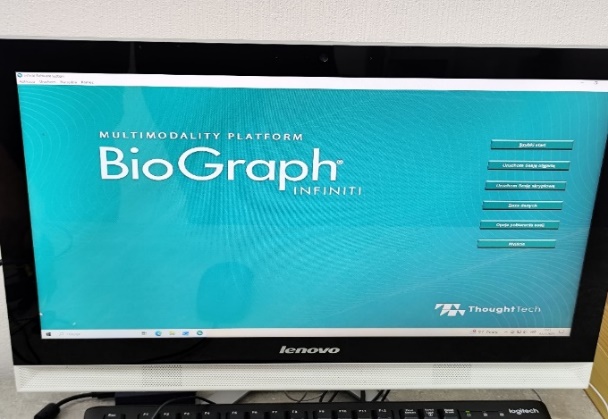 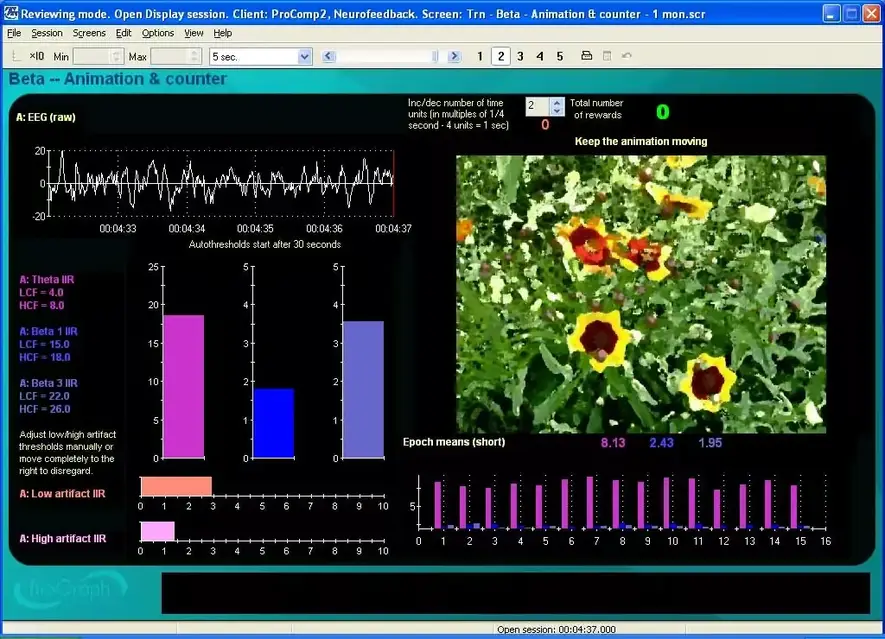 |
֎ treatment: myopia, hypermetropia, accommodation spasm, asthenopia, amblyopia |
֎ trains accommodation; ֎ reduces eye muscle tension; ֎ improves eye movement control; ֎ increases concentration; ֎ stimulates neural connections; ֎ activates brain areas controlling focus |
Convergence Trainer AK-1 (MDT, Poland)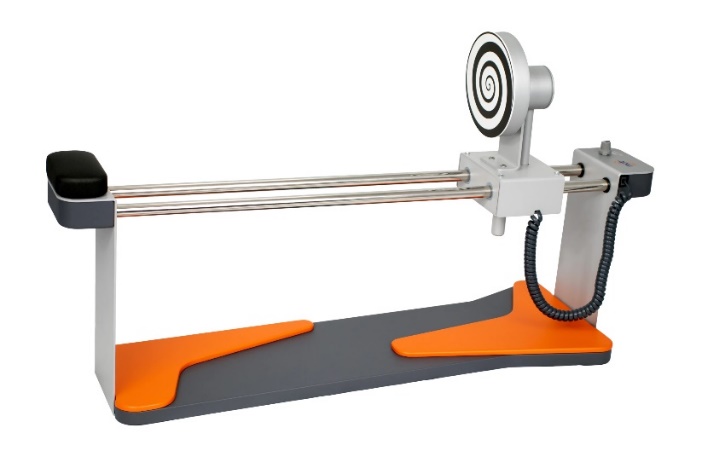 |
֎ treatment of convergence and accommodation insufficiency; ֎ treatment of divergent strabismus |
֎ trains eyes to work together; ֎ reduces eye fatigue; ֎ facilitates reading and working with small objects |
Hess Screen EH-1 (MDT, Poland)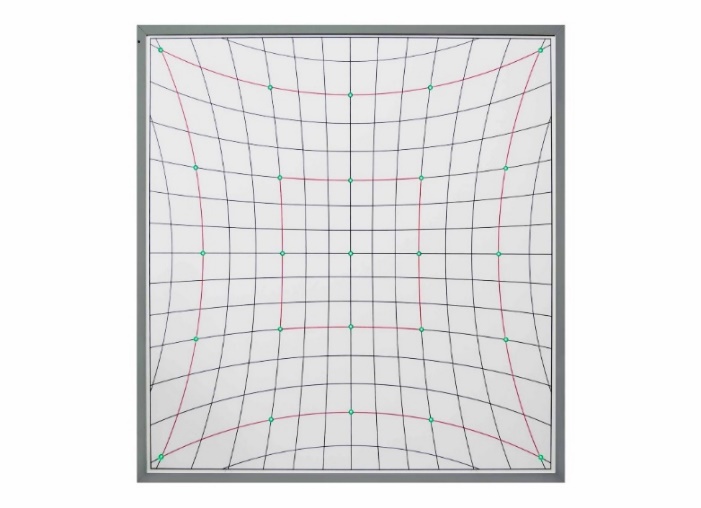 Available only in one copy in Dnipro – at the “Prostir Zoru” clinic. |
֎ diagnosis of eye muscle disorders; ֎ determination of strabismus type; ֎ detection of individual eye muscle paresis |
֎ provides precise picture of eye muscle function; ֎ helps control treatment effectiveness |
Campbell Stimulator SW-1 (MDT, Poland)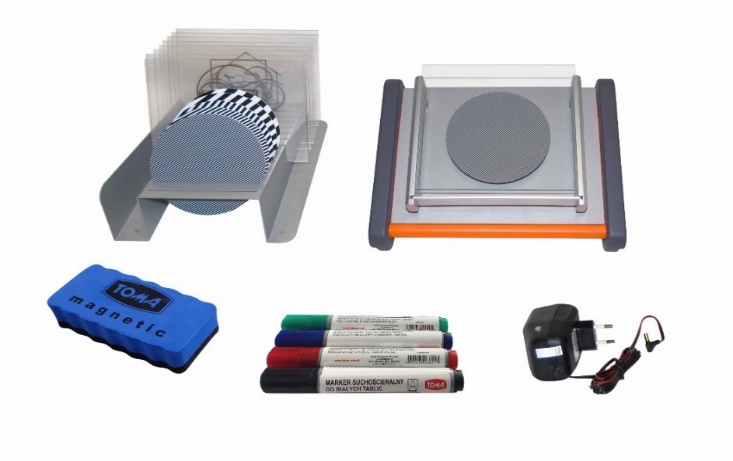 |
֎ treatment: amblyopia, strabismus |
֎ enhances visual information processing; ֎ improves eye coordination |
How is the treatment performed?
- Accommodation training device “Strumochok”
- Dynamic ophthalmic chromotherapy device “Veselka Pro”
- Synoptophore (device for the diagnosis and treatment of strabismus)
- LTO-M23 Trainer (device for low-intensity laser therapy)
- Amblyopanorama (device for light stimulation therapy)
Frequently Asked Questions:
No, the doctor selects at least 6 devices individually, depending on the diagnosis.
Yes, some of the procedures are presented in a playful format, including cartoons and interactive exercises.
Yes, there are: epilepsy (in some cases), certain psychosomatic disorders, and age under 4 years.
Hardware-based vision therapy should be started as early as possible, as soon as a decline in vision is detected. This helps slow down or even stop the progression of the condition and, in most cases, improves vision.
Book a consultation — we will help you and your child see the world more clearly!
Kushnir Nataliya
Ophthalmologist, Candidate of Medical Sciences