

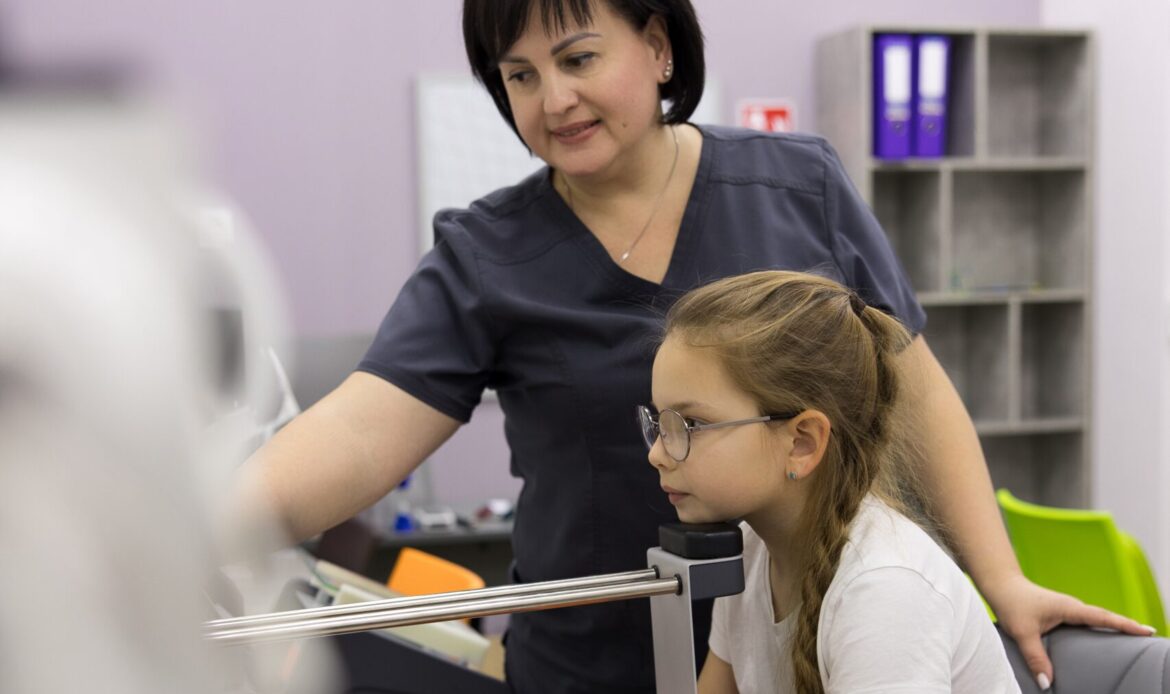
As a child grows and develops, regular visits to an ophthalmologist are essential. Healthy eyes are a key component of overall development and the ability to interact with the surrounding world. Only timely detection of vision problems can ensure effective treatment and help prevent long-term loss of visual acuity in the future.
However, it’s common to feel some worry: will the visit go smoothly, and will the doctor be able to connect with your child? Here are a few tips to help prepare your child so that the ophthalmologist appointment is calm and informative for both the child and the parents.
0–3 months
- Stay close to your baby; at this age, physical contact is very important. It’s best if a parent accompanies the child to the appointment.
- Stay calm — your baby can sense your mood.
What happens during the examination?
The doctor assesses the condition of the eyes, light perception, and the position of the eyeballs, and rules out congenital abnormalities.
Everything is done as gently and quickly as possible.
1–3 years
- Children of this age already actively respond to new environments, so it’s important to turn the visit into a playful experience.
- You can bring a favorite toy to help your child feel safe.
- It’s important to create a comfortable atmosphere: the child should be well-rested, fed, and in a good mood.
What is checked?
Refraction, symmetry of eye movements, and the absence of strabismus or other disorders are checked. All of this is done in a playful way to assess vision without stress.
4-5 years
- At this age, a child can already understand why they are visiting the doctor. Explain that the doctor will check how they see pictures and letters, without emphasizing “treatment.”
- You can play “eye doctor” at home and practice: show pictures and ask your child to name colors or shapes.
6-7 years
- At this age, no special preparation is needed. However, the child should understand that the check-up is important to help them learn easily.
- Let your child know that eye drops may be used to dilate the pupils, and that it doesn’t hurt. Also, keep in mind that vision will be temporarily blurred, so learning activities may not be possible that day.
- Don’t forget to bring any previous examinations and glasses, if available.
What does the doctor assess?
Visual acuity, the ability to sustain prolonged visual effort, and the presence of refractive errors (myopia, hyperopia, astigmatism).
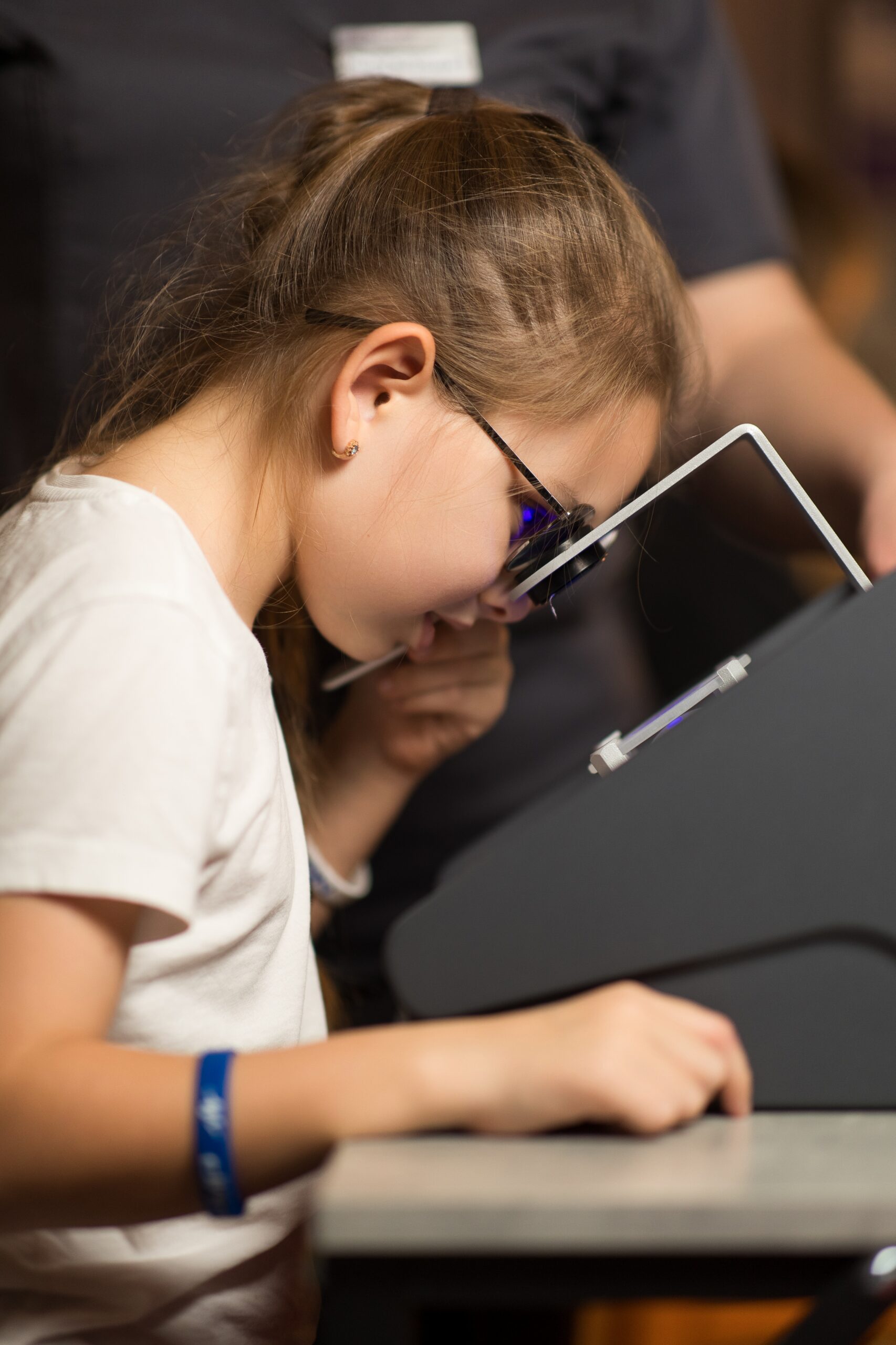
Key points for any age:
The child should be healthy. If you notice even mild nasal congestion or a cough, postpone the visit. Being unwell can cause irritability, making it difficult for the specialist to conduct a thorough examination.
Choose a clinic and a doctor you trust. At “Prostir Zoru,” an experienced pediatric ophthalmologist works with each child individually, turning the visit into an engaging experience.
Prepare questions for the doctor. Recall any hereditary conditions in the family and bring any previous medical records, if available. Prepared parents help ensure a calm child.
It’s important to remember that children usually don’t complain themselves, as they may not recognize the problem or know how to describe their symptoms. That’s why careful observation of their condition is essential.
Preparing for the examination isn’t difficult. The main thing is to create a calm, trusting atmosphere for the child and stay close to them. At the “Prostir Zoru” clinic, we see young patients from 3 years old.
Book a consultation, and we will take care of what matters most — your child’s vision.

Kushnir Nataliya
Ophthalmologist, Candidate of Medical Sciences