

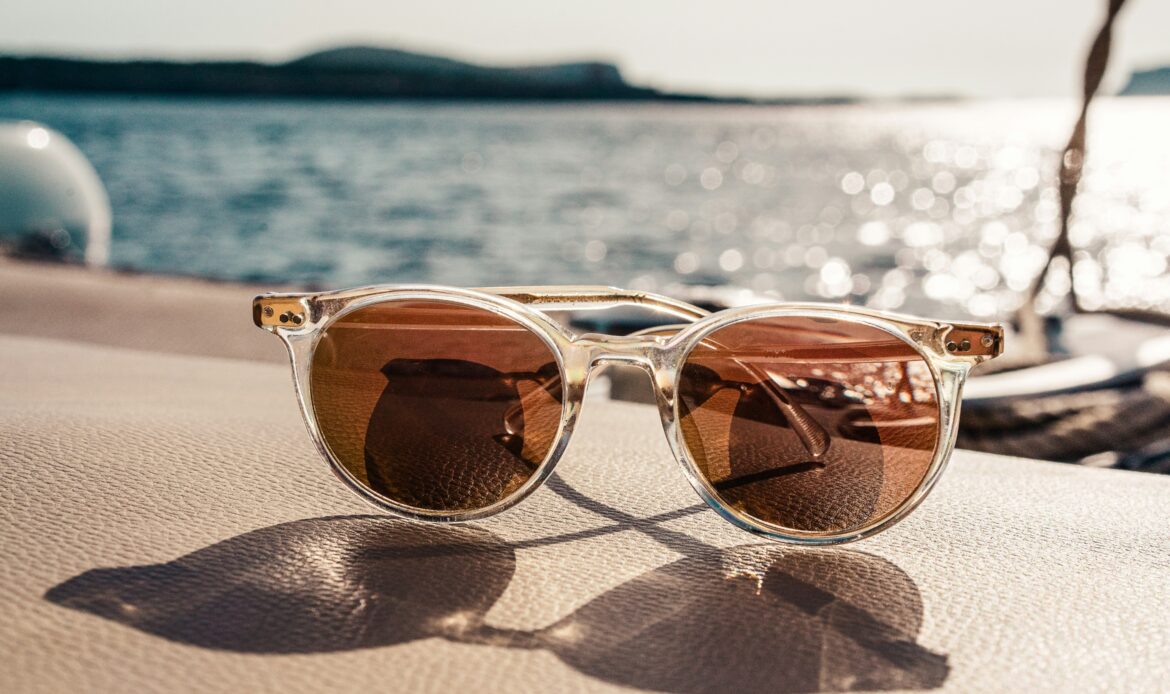
Sunlight consists of more than just the visible spectrum. It also contains ultraviolet (UV) radiation, which we cannot see or feel. However, over time, UV radiation can gradually damage the tissues of the eye. This happens because the cornea and the crystalline lens absorb UV radiation, triggering photochemical reactions within the eye.
First, let’s take a quick look at the different types of UV radiation:
UVC – the most harmful type of ultraviolet radiation, capable of causing severe damage to the skin and the structures of the eye. Fortunately, it is almost completely absorbed by the Earth’s ozone layer.
Under natural conditions, people are rarely exposed to UVC radiation. Exceptions include artificial sources such as germicidal (UV-C) lamps and certain types of industrial equipment. In these situations, appropriate protective equipment should always be used.
UVB – also potentially harmful, although the ozone layer absorbs a significant portion of these rays. UVB radiation is primarily responsible for sunburn, but it can also “sunburn” the eye, with the cornea absorbing most of the damage.
This type of injury commonly occurs after skiing, spending time at the beach, or working outdoors in direct sunlight without proper eye protection.
UVA –the primary type of ultraviolet radiation that reaches our eyes. It accounts for approximately 95% of the UV radiation reaching the Earth’s surface. Unlike UVB, UVA passes through the atmosphere much more easily and is present throughout most daylight hours, regardless of the season.
The main concern with UVA radiation is that it does not cause immediate symptoms. Instead, its effects accumulate gradually over many years.
What eye conditions can excessive ultraviolet (UV) exposure cause?
-
Dry eye disease (DED). UV exposure accelerates tear evaporation and disrupts the stability of the tear film. This can lead to dry eyes, burning, irritation, and a gritty sensation.
-
Photokeratitis (snow blindness). This is an acute inflammation of the cornea caused by UV burns, often from sunlight reflected off snow or water. Symptoms include severe eye pain, excessive tearing, and light sensitivity. Repeated excessive UV exposure may also result in chronic damage to the corneal surface epithelium.
-
Pterygium. This is a benign growth of conjunctival tissue that extends onto the cornea and may impair vision. It is sometimes referred to as “surfer’s eye” because surfers are frequently exposed to chronic UV radiation.
-
Cataract. A cataract is the clouding of the eye’s natural lens. The cumulative effects of UV radiation over a lifetime can damage lens proteins, significantly accelerating cataract development.
-
Age-related Macular Degeneration (AMD). Although UV radiation is not the primary cause of AMD, it is considered a significant contributing factor. UV exposure promotes oxidative stress and damages the retina’s photoreceptor cells, increasing the risk of disease progression.
Neoplasms are another important consequence of chronic UV exposure. These may be benign, such as a pinguecula—a yellowish growth on the conjunctiva—or malignant, including basal cell carcinoma of the eyelid and ocular melanoma. Long-term exposure to ultraviolet radiation can damage the DNA of ocular tissues, increasing the risk of these growths.
Who is at greater risk?
- Children and adolescents (under 18 years of age). Significantly more UV radiation reaches a child’s retina than an adult’s. This is due to their exceptionally clear crystalline lens, larger pupils, and the greater amount of time they typically spend outdoors.
- Patients who have undergone cataract surgery. Although most modern intraocular lenses (IOLs) are designed with built-in UV filters, it is still important to confirm this with your ophthalmologist.
- People with light-colored irises. Due to having lower levels of melanin—which serves as the eye’s natural protection against UV radiation—they may be more susceptible to UV-related eye damage.
- People whose work or hobbies involve prolonged exposure to sunlight, such as hikers, outdoor enthusiasts, participants in water or mountain sports, anglers, and gardeners, are also at increased risk of UV-related eye damage.
- People in certain professions that involve exposure to artificial radiation, such as welders and healthcare workers.
- Patients taking medications that increase the eyes’ sensitivity to light.
How can you protect your eyes?
It is important to remember that UV radiation is always present. Cloudy weather, windows, and shade do not provide complete protection from it.
However, there are several things you can do to minimize its harmful effects:
-
Wear sun protection:
-
-
Laser photocoagulation. It is used primarily for preventive purposes in cases of small retinal tears or localized retinal detachment. However, this is rather the exception. In general, retinal detachment requires surgical intervention.
-
Vitrectomy. This surgery involves the partial or complete removal of the vitreous body. This allows the retina to be returned to its natural position and secured with laser treatment. At the end of the procedure, the surgeon decides on temporary tamponade with either a gas mixture or silicone oil. The presence of gas requires maintaining a specific head position for 2–4 weeks. Silicone oil does not require this restriction but does require a subsequent surgery for its removal. The procedure is performed in the operating room. The timing of silicone oil removal is determined individually.
-
Scleral buckling. During this procedure, the surgeon places a small silicone buckle on the outer surface of the eye. It indents the sclera at the site of the retinal tear and brings it closer to the detached retina, helping it return to its proper position. After the surgery, the patient must maintain a prescribed head and body position.
-
-
Wear a hat. A wide brim or visor reduces the amount of light reaching your eyes.
-
Keep your eyes hydrated, especially if you experience dryness. Consult your ophthalmologist to choose the eye drops that are right for you.
-
Avoid being outdoors between 10 a.m. and 2 p.m., and try to stay in the shade.
-
Eat a healthy diet: your diet should include fruits and vegetables rich in carotenoids (beta-carotene, lutein, and zeaxanthin). These include yellow, orange, and dark green produce, such as carrots, pumpkin, apricots, spinach, and broccoli.
The impact of ultraviolet radiation on eye health should not be underestimated. We are used to talking about SPF and protecting our skin, but our eyes are no less vulnerable. Making eye protection a daily habit now can significantly reduce the risk of many eye diseases in the future.

Kushnir Nataliya
Ophthalmologist, Candidate of Medical Sciences