

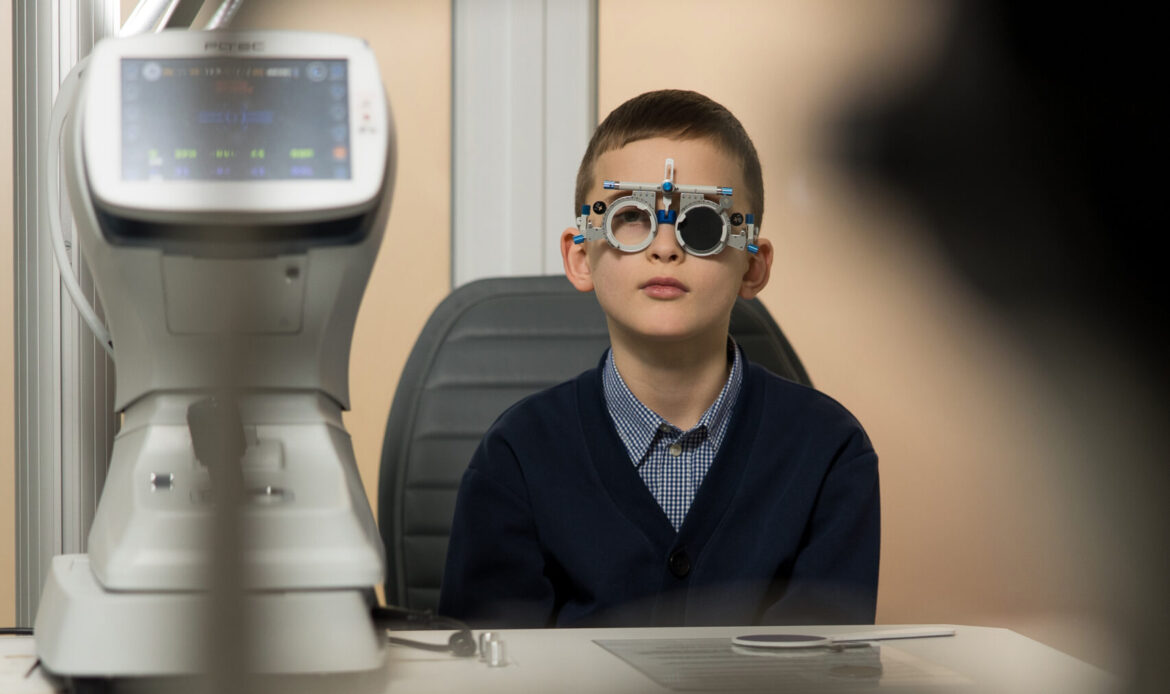
Every child should undergo an annual preventive medical examination. However, it usually begins and ends with a family physician or pediatrician. Since 2023, the standardized medical certificate Form No. 086/o has been completed and issued by a family physician or pediatrician. This means that during a 20-minute appointment, the doctor must not only take a medical history and assess any complaints, but also check the child’s visual acuity. If any abnormalities are detected, the child is then referred to an ophthalmologist.
This approach saves parents considerable time and reduces the stress of waiting in long clinic queues. However, it also carries the risk of missing the early signs of eye disease. Eye conditions are best detected and treated at an early stage. That is why it is highly recommended to make time for an eye examination with an ophthalmologist rather than waiting for your child to be referred.
Why is this not enough?
A quick visual acuity check performed by a family physician provides only a general assessment of vision and cannot detect all eye conditions. Some disorders, such as early-stage strabismus, astigmatism, and accommodative spasm, may remain hidden. Detecting these conditions requires a comprehensive ophthalmic examination and specialized equipment.
An eye examination is much more than simply reading an eye chart. It includes:
- Autorefractometry (an instrument-based method for determining the exact parameters of vision);
- Assessment of binocular vision and the ability of the eyes to work together;
- Examination of the fundus using a slit lamp (with pupil dilation from a certain age, when indicated);
- Assessment of accommodative reserve.
What is accommodative reserve?
Accommodation is the eye’s ability to focus at different distances, allowing it to see objects clearly both up close and far away. Accommodative reserve is the eye’s remaining focusing capacity—the difference between its maximum accommodative ability and the amount of accommodation required for near work. Children use this ability extensively for reading, writing, and using digital devices.
This is especially important before starting school, as the visual demands increase significantly in first grade and remain high for several hours each day. If accommodative reserve is low, it may contribute to the development of myopia and cause headaches. The eyes tire quickly because they are working at the limit of their focusing ability. As the child grows, these visual demands continue to increase.
How is it measured?
It is measured using proximetry (accommodometry): the child is gradually fitted with increasingly stronger minus lenses until the image at near distance begins to blur. The result is then compared with age-specific norms, allowing the ophthalmologist to assess whether the child’s eyes are ready for the increased visual demands of school and, if necessary, prescribe vision therapy or corrective treatment in a timely manner.
We recommend asking your family physician for a referral to an ophthalmologist or scheduling a private eye examination. This is especially important if your child has visual complaints or a family history of eye disease. At Prostir Zoru Clinic, you can receive a consultation and a comprehensive eye examination on the same day, with the highest level of care and professionalism from our pediatric ophthalmologist.
It is important to remember that children rarely complain about vision problems on their own because they often do not realize there is an issue or do not know how to describe their symptoms. That is why it is essential for parents to pay close attention to their child’s vision and overall eye health.
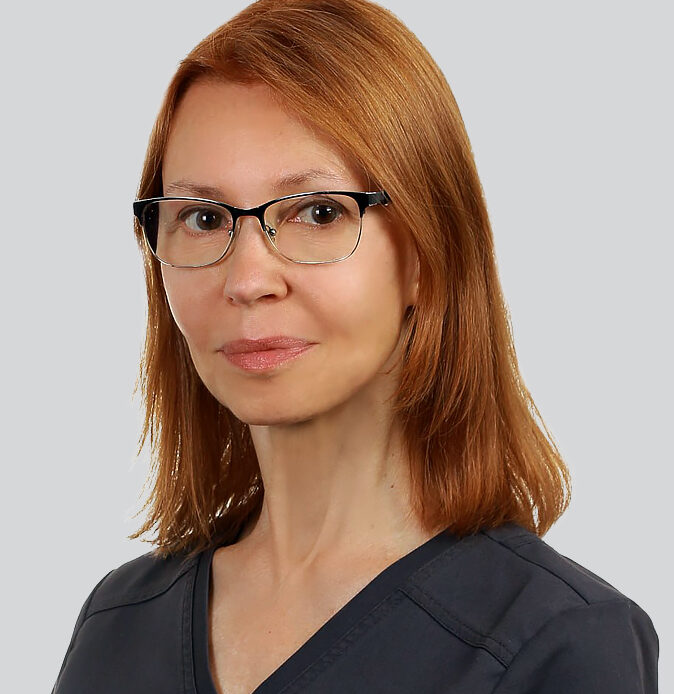
Kushnir Nataliya
Ophthalmologist, Candidate of Medical Sciences